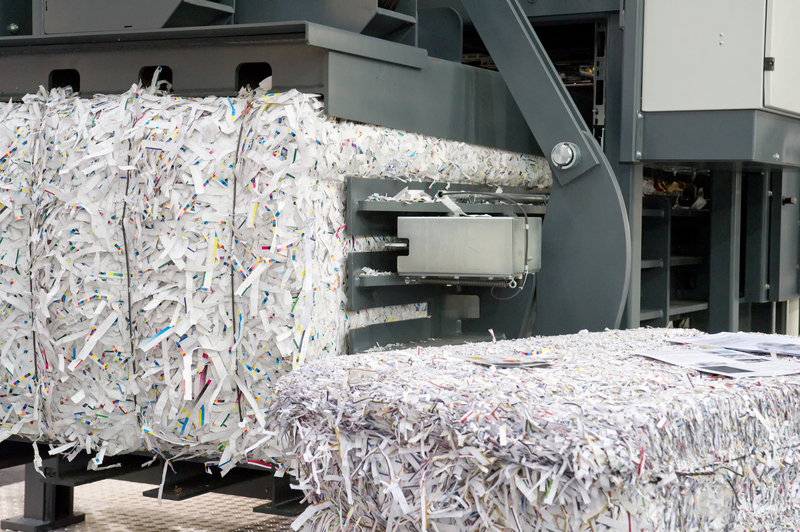
Transform Your Environment with Reliable Hoarder Clean Up and Clutter Removal
Introduction
When clutter quietly becomes chaos, it affects more than just square footage--it touches every part of life, from safety and hygiene to mental wellbeing and family relationships. If you or someone you love is facing severe clutter or hoarding, the first step can feel overwhelming. This long-form guide shows you how to Transform Your Environment with Reliable Hoarder Clean Up and Clutter Removal using proven, practical, and compassionate strategies. Whether you're a homeowner, property manager, social worker, or facilities leader, you'll find clear steps, legal guidance, and expert tips to restore order, dignity, and peace of mind.
In this comprehensive resource, we cover the entire process--from assessment and planning to biohazard handling, waste compliance, sustainable disposal, and long-term aftercare. You'll learn how to reduce risk, manage costs, and maintain results in a way that respects privacy and psychological safety. We've distilled best practices from professional extreme cleaning, public health standards, and UK-specific legislation to ensure your approach is safe, compliant, and effective.
Table of Contents
- Why This Topic Matters
- Key Benefits
- Step-by-Step Guidance
- Expert Tips
- Common Mistakes to Avoid
- Case Study or Real-World Example
- Tools, Resources & Recommendations
- Law, Compliance or Industry Standards (UK-focused)
- Checklist
- Conclusion with CTA
- FAQ
Why This Topic Matters
Hoarding and severe clutter are not merely housekeeping issues--they're complex situations that carry significant health, safety, financial, and legal implications. Evidence-based estimates suggest hoarding disorder affects between 2-6% of adults, and it often co-occurs with anxiety, depression, neurodivergence, or trauma. Beyond mental health, the risks include fire hazards, blocked exits, falls, pest infestations, sewage or water leaks hidden by piles, and mould growth. A reliable hoarder clean up and clutter removal strategy protects residents, neighbours, and first responders.
On the property side, severe disorganization can cause structural strain, reduce ventilation, and create moisture hotspots that lead to rot or damp. Landlords and housing providers face regulatory obligations under housing standards and environmental health. Insurers may void cover if properties are unsafe or if waste is mishandled. Meanwhile, families experience stress and conflict when they don't have a clear, respectful protocol to reduce risk without causing harm.
That's why this guide emphasizes both compassion and compliance. You'll learn how to transform your environment safely with reliable hoarder clean up plans that improve wellbeing, restore liveability, comply with UK waste law and health regulations, and keep future maintenance manageable.
Key Benefits
Choosing a structured approach to hoarder clean up and professional clutter removal yields meaningful outcomes:
- Safety First: Reduced fire risk, restored escape routes, and fewer trip hazards.
- Health Gains: Less dust, mould, and allergens; improved airflow; reduced biohazard exposure.
- Legal Compliance: Proper waste classification and transfer in line with UK Duty of Care requirements.
- Cost Control: Efficient sorting, correct equipment, and planned logistics prevent overruns and fines.
- Time Efficiency: Step-by-step workflow keeps teams coordinated and on pace.
- Privacy & Dignity: Trauma-informed methods support residents through change.
- Environmental Responsibility: Donations and reuse divert items from landfill; licensed carriers handle waste ethically.
- Property Value & Insurance: Restoring habitability can protect asset value and insurance eligibility.
- Long-Term Results: Aftercare, maintenance routines, and community support prevent rebound clutter.
Ultimately, to Transform Your Environment with Reliable Hoarder Clean Up and Clutter Removal means achieving an ordered, safe space that supports daily life rather than fighting against it.
Step-by-Step Guidance
This framework blends professional extreme cleaning protocols with mental wellbeing considerations. Adapt it to the scale of the environment and specific risks you encounter.
1) Pre-Assessment and Goal Setting
- Define outcomes: Safe occupancy? Tenancy compliance? Sale-ready property? Health-driven deep clean?
- Map areas: Note blocked exits, utilities, and priority rooms (kitchen, bathroom, bedroom, access routes).
- Risk review: Look for sharps, mould, pests, human or animal waste, chemicals, or structural concerns.
- Agree boundaries: Set decision rules (what to keep, what to discard) with the resident where possible.
2) Assemble the Right Team
- Professional services: Consider specialists in hoarder clean up, biohazard cleaning, pest control, and skip hire.
- Trusted helpers: Limit the number of people in the property at once to reduce stress and confusion.
- Assign roles: Sorters, runners, inventory lead, safety officer, and a calm point of contact for the resident.
3) Safety Planning and PPE
- PPE: Heavy-duty gloves, cut-resistant liners, FFP2/FFP3 masks or respirators, goggles, disposable coveralls, and steel-toe boots.
- Utilities: Check gas, water, and electricity; isolate if needed. Ensure good ventilation.
- First aid & hygiene: Sharps container, eye-wash, disinfectant, and handwashing station.
- Biohazard protocols: Segregate suspected hazardous items; follow COSHH and local clinical waste rules.
4) Build a Zoning Plan
- Staging areas: Create zones for Keep, Donate, Recycle, General Waste, Hazardous Waste, and Confidential Documents.
- Clear egress: Prioritize hallways, stairs, and exits to ensure safe movement.
- Room-by-room order: Start with kitchens/bathrooms for immediate health improvements; then bedrooms and living areas.
5) Set Clear Sorting Rules
- Keep rules: Items used in the last year, essential documents, medications, and sentimental items in reasonable quantity.
- Discard rules: Broken, expired, duplicate, or contaminated items; packaging and outdated papers not required by law.
- Documentation: Photograph significant items before removal to support acceptance and maintain records.
6) Start with Safety-Critical Tasks
- Remove combustibles from heat sources; clear 90 cm (3 ft) around cookers, heaters, and electrics.
- Unblock exits and ensure two escape routes where possible.
- Identify sharps and biohazards: Use grabbers; never compress bags with your hands; place sharps in approved containers.
7) Triage and Bulk Removal
- Bag it right: Heavy-duty contractor sacks for general waste; clear bags for recyclables; red/orange clinical bags where applicable.
- Flatten cardboard and soft plastics to maximize volume. Use labelled totes for keepsakes and documents.
- Stage items to appropriate skips or vans, obeying weight limits and waste segregation rules.
8) Handle Hazardous and Sensitive Materials
- Chemicals & paints: Treat as hazardous; do not pour down drains; use licensed disposal.
- Medicines and needles: Return medicines to pharmacies; place needles in a sharps bin; use clinical waste carriers if necessary.
- Data protection: Securely store and shred items containing personal information, in line with UK data protection principles.
9) Donation, Reuse, and Responsible Recycling
- Charity shops often accept clean clothing, books, and small household goods.
- Furniture reuse schemes and community projects may collect items in good condition.
- WEEE recycling for electrical appliances; batteries require special collection.
10) Deep Cleaning and Remediation
- HEPA vacuuming to remove fine particles; use M-class extractors for heavy dust.
- Mould treatment with appropriate biocides; address moisture sources (leaks, condensation).
- Odour neutralisation via ozone or hydroxyl treatments (used by trained professionals only).
- Repairs: Replace damaged carpets, patch walls, and service appliances.
11) Reorganise and Store
- Vertical storage with sturdy shelving; keep heavy items low, frequently used items at shoulder height.
- Transparent bins with labels; limit container counts per category.
- Fire-safe layout: Maintain clear walkways and peripheral access to sockets and valves.
12) Aftercare and Maintenance
- Weekly routines: Quick reset of hotspots; recycling drop-off; laundry cycles.
- Monthly review: One-in, one-out rule for categories prone to growth (magazines, clothing).
- Support networks: GP referrals, mental health support, peer groups, and professional organisers.
Expert Tips
Lead with empathy, not urgency
Forced clear-outs often trigger shame and relapse. Use a collaborative approach, explain each step, and validate the resident's feelings. Small wins build momentum.
Work in contained micro-zones
Divide rooms into quadrants or 1-metre sections. Finishing a micro-zone gives a visible reward and reduces decision fatigue.
Use visible time blocks
Schedule 45-90 minute sessions with breaks. A visible timer reduces overwhelm while keeping the team focused and safe.
Photograph before-and-after
Images help the resident process progress, support compliance evidence for landlords/insurers, and guide future maintenance.
Set strong decision anchors
Questions like: "Has it been used in 12 months?", "Would I buy it again today?", "Can it be re-purchased under ?20?" keep decisions objective and fair.
Prioritise health-critical utilities
Ensure safe water, refrigeration, and a clean food prep surface early in the project to improve nutrition and morale.
Plan waste logistics early
Book skips or man-and-van services, confirm waste carrier licence, and check local council rules for permits and restricted items.
Choose cleaning agents carefully
Use EN-certified disinfectants for broad-spectrum efficacy; ventilate well. Consider unscented products for sensory-sensitive residents.
Build relapse safeguards
Install stable shelving, set calendar reminders, and create "quarantine baskets" for new items to prevent immediate clutter accumulation.
Common Mistakes to Avoid
1) Rushing or performing a surprise clean-out
It can traumatise the resident and lead to rapid recluttering. Obtain consent and agree to clear ground rules.
2) Skipping PPE or risk assessments
Even seemingly clean areas can hide sharps, mould, or rodent droppings. Never work without appropriate protection and a safety plan.
3) Mixing waste streams
Combining general, recyclable, and hazardous waste can lead to fines and environmental harm. Segregate meticulously.
4) Discarding vital documents
Do not throw away: IDs, passports, certificates, bank statements, property deeds, tenancy documents, and sentimental items without review.
5) Underestimating time and volume
Clutter volume deceives. Factor time for sorting, bagging, hauling, breaks, and deep cleaning. Plan for more sacks and bins than you think.
6) Neglecting aftercare
Without routines and support, old patterns may return. Clinch the transformation with sustainable maintenance and check-ins.
Case Study or Real-World Example
Scenario: A two-bedroom semi-detached home in the Midlands with floor-to-ceiling papers, food packaging, and mixed clutter accumulated over seven years. Kitchen unusable, bathroom partially blocked, odour issues, and suspected rodents.
- Assessment: Fire risk rated high; exits obstructed; possible biohazards in kitchen. Resident anxious but motivated to regain access to the bedroom and kitchen.
- Team: Two professional hoarder clean up technicians, a pest control specialist for a half-day, and one organiser supporting the resident.
- Plan: 5-day project: Day 1 exits and kitchen; Day 2 bathroom and laundry; Day 3-4 living room and bedroom; Day 5 deep clean and odour neutralisation.
- Waste logistics: Two 12-yard skips (with council permit); separate WEEE pickup for small appliances; charity collection for clothing and books.
- Outcome: 12 tonnes removed; HEPA vacuum and disinfectant treatment; minor repairs to flooring; kitchen and bathroom fully functional; smoke alarms fitted.
- Aftercare: Monthly organiser sessions for three months; resident referred to community mental health support; relapse prevention checklist installed on the fridge.
Result: The resident reported improved sleep, lower anxiety, and renewed social contact. Energy bills reduced due to restored ventilation and sealed gaps. The property passed landlord inspection and insurance reinstatement.
Tools, Resources & Recommendations
Essential PPE and Safety
- FFP2/FFP3 masks or reusable respirators with appropriate filters
- Heavy-duty gloves with cut protection
- Disposable coveralls and shoe covers
- Goggles or face shields
- Sharps containers, tongs/grabbers
Equipment
- HEPA vacuums (BS EN 1822 compliant filters)
- Industrial fans or air scrubbers
- Contractor-grade sacks, clear recycling bags, labelled totes
- Trolleys, dollies, and lifting straps
- Disinfectants with proven virucidal and bactericidal efficacy (EN standards)
Waste & Logistics
- Licensed waste carrier (verify registration)
- Skip sizes: 6-8 yard for mixed waste; 12-14 yard for bulky household waste (check weight limits)
- Council permits for on-road skips
- WEEE collection for electronics; battery recycling; paint/chemicals via hazardous waste services
Professional and Community Support
- General Practitioner or NHS mental health referrals
- Local authority environmental health teams
- Professional organisers and decluttering coaches (e.g., UK associations)
- Charity shops, furniture reuse foundations, community fridges
- Pest control contractors certified to UK standards
Law, Compliance or Industry Standards (UK-focused if applicable)
In the UK, hoarder clean up and clutter removal intersect with several legal duties. Aligning with these standards protects residents, workers, and the environment.
Environmental Protection Act 1990 & Duty of Care
Under the Environmental Protection Act 1990 and the Waste (England and Wales) Regulations 2011, anyone who produces or handles waste has a duty of care to manage it safely. This includes sorting waste correctly, using a licensed waste carrier, and obtaining a Waste Transfer Note for non-hazardous waste. Keep documentation for at least two years.
Hazardous Waste Regulations
Items such as chemicals, paints, certain electronics, and clinical waste (including sharps) may be classified as hazardous. These require specific consignment notes and licensed carriers. Never mix hazardous with general waste.
Control of Substances Hazardous to Health (COSHH)
Cleaning chemicals, mould spores, and biological materials fall under COSHH. Conduct a risk assessment, provide appropriate PPE, and train staff in safe handling.
Health and Safety at Work etc. Act 1974
Employers and self-employed contractors must ensure safe systems of work, including manual handling practices, slips/trips prevention, and suitable training for working in contaminated environments.
Fire Safety
Where properties are HMOs or have communal areas, the Regulatory Reform (Fire Safety) Order 2005 applies. Keep exits clear, remove combustible clutter, and install/maintain smoke alarms.
Housing Standards
Local authorities assess hazards under the Housing Health and Safety Rating System (HHSRS) within the Housing Act 2004. Excessive domestic hygiene issues, crowding, and fire risks can trigger enforcement. Landlords must maintain properties fit for human habitation.
Data Protection
Personal documents must be handled securely, in line with UK GDPR principles. Use lockable containers, maintain chain of custody, and arrange secure shredding.
Animal Welfare
Where animals are present, the Animal Welfare Act 2006 obliges proper care. If animal hoarding is suspected, coordinate with the relevant authorities or charities.
PPE and Equipment Standards
Follow BS/EN standards where applicable (e.g., FFP2/FFP3 masks tested to EN 149, HEPA filters per BS EN 1822). Keep maintenance and usage records for auditing.
Checklist
- Consent & scope agreed with the resident or responsible party
- Risk assessment (fire, structural, biohazards, pests)
- PPE procured: gloves, masks, coveralls, eye protection, boots
- Waste plan: segregation, licensed carrier, transfer notes
- Skips/vans booked with permits confirmed
- Supplies: sacks, boxes, labels, cleaning agents, tools
- Zoning map with staging areas and room order
- Sorting rules documented and communicated
- Emergency equipment: first aid kit, sharps bin, fire extinguisher
- Donation/reuse partners lined up
- Deep cleaning plan (mould, odour, repairs)
- Aftercare schedule and support referrals
Conclusion with CTA
Clutter and hoarding can feel immovable, but change is possible with the right plan, the right people, and the right protections. By combining empathy with evidence-based methods, you can safely Transform Your Environment with Reliable Hoarder Clean Up and Clutter Removal, restore daily function, and build long-term resilience against relapse. Whether you're undertaking a DIY approach with professional oversight or commissioning a specialist team, prioritise safety, legal compliance, and human dignity every step of the way.
Ready to reclaim your space, health, and peace of mind? Professional help often reduces overall costs by preventing mistakes and accelerating results.
Get a free quote today and see how much you can save.
FAQ
What is the difference between hoarding and ordinary clutter?
Ordinary clutter is temporary disorganisation. Hoarding involves persistent difficulty discarding items regardless of value, leading to significant distress or impairment, blocked living areas, and safety risks, as recognised in DSM-5 and UK clinical guidance.
How long does a hoarder clean up typically take?
Time varies with property size, volume, and hazards. A one-bedroom flat may take 2-4 days; a larger home can require a week or more, plus aftercare visits. Biohazards, mould, or structural repairs add time.
How much does professional clutter removal cost in the UK?
Costs depend on labour, waste volume, specialist cleaning, and permits. Light projects may start around a few hundred pounds; multi-day, multi-skip jobs can reach several thousand. A clear scope and fixed-rate proposal reduce surprises.
Will everything be thrown away?
No. A reliable service uses agreed sorting rules to preserve essentials, documents, and meaningful items, while donating, recycling, or ethically disposing of the rest. The goal is to restore function, not erase identity.
How do you handle biohazards and sharps safely?
Use PPE, grabbers, and approved sharps containers. Segregate clinical waste into designated bags and arrange licensed collection. Follow COSHH risk assessments and do not compact bags with your hands.
What if the resident resists or feels overwhelmed?
Adopt a trauma-informed, collaborative approach. Start small, agree on rules, and allow breaks. Consider involving a GP, therapist, or support worker. Forced clear-outs can backfire and increase anxiety.
Can donations be arranged directly from the property?
Yes. Many charities collect furniture and household goods if items are clean and safe. Electricals may require testing; always confirm acceptance policies beforehand.
Do I need a license to remove waste?
If you hire a contractor, ensure they have a valid waste carrier registration. Keep Waste Transfer Notes. For hazardous waste, use a licensed specialist and retain consignment documentation.
What about pests and odours?
Pest control may be required for rodents or insects. Odours are addressed through removal of source materials, deep cleaning, and professional odour treatments like hydroxyl or ozone (by trained technicians).
Are landlords allowed to enforce a clean-up?
Landlords can require tenants to meet tenancy and safety standards, especially where hazards exist. However, they must follow due process, respect privacy, and may involve environmental health for serious risks under HHSRS.
How do I protect personal and sensitive documents?
Create a dedicated secure box for passports, IDs, bank statements, and medical letters. Maintain chain of custody and arrange secure shredding for papers not retained, consistent with UK data protection principles.
Is deep cleaning included or separate from clutter removal?
Many providers offer both. After decluttering, teams perform HEPA vacuuming, disinfecting, mould treatment, and minor repairs. Confirm scope and products used in your written quote.
How do I prevent relapse after a successful clean-up?
Establish simple routines, use labelled storage, set purchase rules (one-in/one-out), and schedule periodic support from organisers or community services. Early intervention prevents accumulation.
What items are often overlooked but important to keep?
Identification, legal documents, financial records, keys, medications, family photos, and essential tools. Sort these first and store them in a safe, clearly labelled location.
Can I do it myself or should I hire professionals?
Small, non-hazardous projects can be DIY with careful planning. For large volumes, biohazards, pests, or legal complexity, professionals save time and reduce risk. Always prioritise safety and compliance.
What happens to electronic waste and batteries?
Electronics fall under WEEE regulations and must be recycled through approved channels. Batteries require special collection; never place them in general waste bags.
With the right plan, you can confidently Transform Your Environment with Reliable Hoarder Clean Up and Clutter Removal--safely, lawfully, and sustainably.