Effective Construction Waste Disposal in Camden
Introduction to Construction Waste Disposal
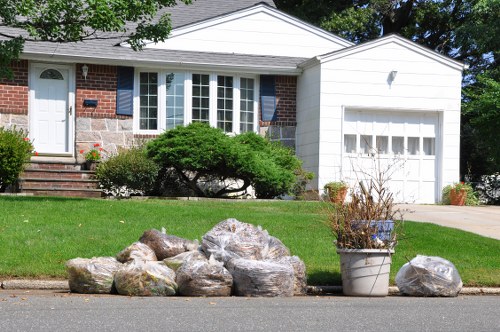
Construction projects in Camden generate a significant amount of waste, making efficient waste disposal practices essential. Proper management ensures sustainability, compliance with local regulations, and minimizes environmental impact.
Understanding the types of construction waste and the appropriate disposal methods is crucial for contractors, developers, and homeowners alike. This article delves into the best practices, regulations, and solutions available for construction waste disposal in Camden.
Emphasizing responsible waste management not only benefits the environment but also enhances the reputation and efficiency of construction businesses in the region.

Types of Construction Waste
Construction waste encompasses a variety of materials generated during building, renovation, and demolition projects. Key categories include:
- Concrete and Masonry: Leftover concrete, bricks, and blocks.
- Wood: Scrap lumber, plywood, and wooden fixtures.
- Metals: Steel, aluminum, and other recyclable metals.
- Plastics: Insulation materials, piping, and packaging.
- Drywall and Gypsum: Excess drywall panels and gypsum products.
Identifying and segregating these materials at the source can significantly enhance recycling efforts and reduce the volume of waste sent to landfills.
Proper sorting ensures that recyclable materials are processed accordingly, while non-recyclable waste is disposed of in environmentally friendly ways.
Legal Requirements and Regulations in Camden
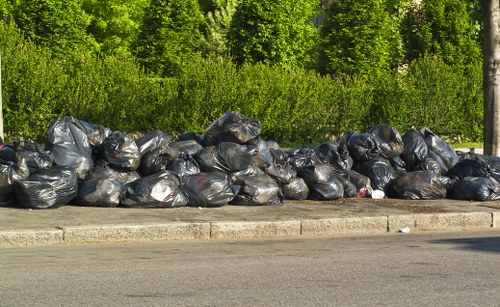
Camden has specific regulations governing construction waste disposal to ensure environmental protection and public safety. Key regulatory aspects include:
- Waste Segregation: Mandates the separation of different waste types at the construction site.
- Licensing: Requires contractors to obtain permits for waste disposal and transport.
- Recycling Targets: Sets minimum recycling rates for construction materials.
- Reporting: Obligates firms to report their waste management practices and volumes.
Compliance with these regulations is not only a legal necessity but also promotes sustainable construction practices. Non-compliance can result in hefty fines and project delays.
Staying informed about local ordinances and updates ensures that construction businesses operate within the legal framework.

Best Practices for Waste Management
Implementing effective waste management strategies can streamline construction projects and enhance sustainability. Here are some best practices:
- Pre-Planning: Develop a waste management plan before project commencement.
- On-Site Sorting: Designate areas for different types of waste to facilitate easy separation.
- Recycling Partnerships: Collaborate with local recycling facilities in Camden to ensure proper material processing.
- Minimize Waste: Optimize resource usage to reduce excess material generation.
- Employee Training: Educate workers on proper waste handling and disposal techniques.
Adopting these practices not only reduces environmental impact but also can lead to cost savings through efficient material use and reduced disposal fees.
Continuous monitoring and improvement of waste management processes ensure long-term sustainability and compliance.

Recycling and Reusing Materials
Recycling and reusing construction materials play a vital role in reducing landfill dependency and conserving natural resources. Key materials suitable for recycling include:
- Metals: Steel and aluminum can be melted down and repurposed.
- Wood: Reclaimed wood can be used for new construction or decorative purposes.
- Concrete: Crushed concrete can serve as a base for new construction projects.
- Plastics: Certain plastics can be recycled into new products.
- Drywall: Gypsum from drywall can be recycled for new wall materials.
Reusing materials not only reduces waste but also lowers project costs by repurposing existing resources. Establishing a robust recycling program is essential for sustainable construction practices in Camden.
Engaging with local recycling centers ensures that materials are processed correctly and efficiently.
Choosing the Right Disposal Service
Selecting a reliable construction waste disposal service in Camden is crucial for effective waste management. Consider the following factors when making your choice:
- Licensing and Certification: Ensure the service provider complies with local regulations and holds necessary permits.
- Range of Services: Look for comprehensive services including collection, transportation, and recycling.
- Recycling Capabilities: Choose a provider that prioritizes recycling and environmentally friendly disposal methods.
- Reputation: Check reviews and references to gauge the reliability and quality of the service.
- Cost-Effectiveness: Compare pricing structures to find a service that fits your budget without compromising quality.
Partnering with a reputable disposal service ensures that your construction waste is managed responsibly and efficiently, aligning with Camden's sustainability goals.
Regular communication with the disposal provider can help address any challenges promptly and maintain a smooth waste management process.
Innovative Solutions for Waste Reduction
Advancements in technology offer innovative solutions to further minimize construction waste. Some notable approaches include:
- Modular Construction: Prefabricated components reduce on-site waste generation.
- 3D Printing: Enables precise material usage, minimizing excess.
- Building Information Modeling (BIM): Enhances planning accuracy, reducing errors and waste.
- Waste Tracking Software: Facilitates real-time monitoring of waste generation and disposal.
- Green Building Materials: Utilizes sustainable materials that produce less waste.
Integrating these technologies into construction practices can significantly lower waste production and promote eco-friendly building methods in Camden.
Staying updated with technological advancements ensures that construction businesses remain competitive and sustainable.
Environmental Impact of Construction Waste
The improper disposal of construction waste has severe environmental consequences, including soil contamination, air pollution, and increased greenhouse gas emissions. Key impacts include:
- Landfill Overuse: Excessive waste contributes to rapid landfill depletion.
- Resource Depletion: Discarding reusable materials leads to unnecessary extraction of natural resources.
- Habitat Destruction: Waste dumping can disrupt local ecosystems and wildlife habitats.
- Water Pollution: Leaching of harmful substances from construction debris contaminates water sources.
- Carbon Footprint: Decomposition of organic waste releases methane, a potent greenhouse gas.
Mitigating these impacts through effective waste disposal and recycling measures is essential for preserving Camden's natural environment and promoting public health.
Community awareness and involvement are also crucial in fostering a culture of sustainability and responsible waste management.
Cost Considerations in Waste Disposal
Managing construction waste efficiently can lead to significant cost savings. Key cost factors to consider include:
- Waste Volume: Larger projects generate more waste, increasing disposal costs.
- Type of Waste: Hazardous materials often require specialized and more expensive disposal methods.
- Recycling Fees: Some recyclable materials may incur additional processing fees.
- Transportation: Costs associated with transporting waste to disposal or recycling facilities.
- Regulatory Compliance: Non-compliance penalties can add unexpected expenses.
Implementing waste reduction strategies can help lower these costs by minimizing the amount of waste generated and optimizing disposal processes.
Investing in recycling and reuse initiatives not only reduces expenses but also enhances the overall sustainability of construction projects.
Community and Stakeholder Engagement
Engaging with the local community and stakeholders is vital for successful construction waste management. Strategies include:
- Public Awareness Campaigns: Educate the community about the importance of responsible waste disposal.
- Stakeholder Collaboration: Work with local authorities, businesses, and residents to develop sustainable practices.
- Transparent Reporting: Share waste management practices and achievements with stakeholders to build trust.
- Feedback Mechanisms: Encourage feedback from the community to continuously improve waste disposal methods.
- Community Projects: Participate in local sustainability initiatives to demonstrate commitment to environmental stewardship.
Building strong relationships with the community fosters a supportive environment for sustainable construction practices and waste management.
Active involvement and communication ensure that the needs and concerns of the community are addressed effectively.
Future Trends in Construction Waste Disposal
The field of construction waste disposal is evolving with emerging trends aimed at enhancing sustainability and efficiency. Future trends include:
- Circular Economy: Emphasizes recycling and reusing materials to create a closed-loop system.
- Advanced Recycling Technologies: Innovations that increase the types and quantities of materials that can be recycled.
- Digital Waste Management: Utilizes IoT and AI for better tracking and management of waste streams.
- Green Certifications: Increasing importance of obtaining certifications that recognize sustainable waste management practices.
- Collaborative Platforms: Online platforms that connect waste producers with recyclers and disposal services more efficiently.
Adopting these trends will help construction businesses in Camden stay ahead of regulatory changes and market demands, ensuring long-term sustainability.
Investing in research and development can further drive innovation in waste management practices.
Case Studies: Successful Waste Disposal Projects in Camden
Examining successful construction waste disposal projects in Camden provides valuable insights and best practices. Noteworthy projects include:
- Camden Green Development: Implemented a comprehensive recycling program, diverting 80% of construction waste from landfills.
- Riverfront Renovation: Utilized modular construction techniques to minimize on-site waste.
- Downtown Office Complex: Partnered with local recycling facilities to recycle over 70% of materials used during construction.
- Community Housing Project: Reused surplus materials from previous projects, reducing overall waste generation.
- Camden University Expansion: Employed BIM software to optimize material usage and reduce waste.
These case studies highlight the effectiveness of deliberate waste management strategies and their positive impact on both the environment and project budgets.
Learning from these examples can guide future projects towards more sustainable and efficient waste disposal practices.
Conclusion
Construction waste disposal in Camden is a critical component of sustainable building practices. By understanding waste types, adhering to regulations, implementing best practices, and leveraging innovative solutions, construction professionals can significantly reduce their environmental footprint.
Emphasizing recycling and reuse, choosing the right disposal services, and engaging with the community further enhance the effectiveness of waste management strategies.
As the industry evolves, staying informed about future trends and learning from successful projects will ensure continued progress towards a more sustainable and eco-friendly construction landscape in Camden.
Contact us today to learn more about sustainable construction waste disposal solutions in Camden.